
Rodent Proofing & Exclusion Truckee, CA
Snow-Aware Exclusion for Mice, Rats, Cabins & Second Homes
Find where rodents get in. Seal confirmed entry points. Reduce repeat activity.
Truckee Rodent Shield focuses on mice and rats, with exclusion, cleanup, and minor repairs for Truckee homes, cabins, second homes, and STR properties.
Rodent-Only Specialists
Clear Pricing
Same-Day Response
Photo Reports for Remote Owners
Why Rodent Exclusion Matters in Truckee
A mouse inside your home is only part of the problem.
The bigger question is simple:
How did it get inside?
Truckee properties face cold nights, snow, and freeze-thaw cycles. These conditions can expose or hide gaps around vents, soffits, doors, utilities, and foundations.
A cabin near Donner Lake may sit empty for weeks. A second home in Tahoe Donner may have attic or crawlspace activity before anyone notices it.
Rodent exclusion looks for the source. It connects signs, travel routes, damage, and entry points before repairs begin.
Why Rodents Enter After the First Freeze
- Cold weather can push mice and rats toward warmer shelter.
- Attics, garages, crawlspaces, and wall cavities can provide protection.
- Snow can hide low openings. Freeze-thaw cycles can also affect exterior gaps and older repairs.
Why Trapping Alone May Not Stop Repeat Activity
- Trapping addresses rodents already inside. Exclusion addresses confirmed entry points.
- If activity returns after trapping, an open route may still exist.
- Long-term control may require removal, exclusion, cleanup, and monitoring in the right order.
What Does Rodent Proofing and Exclusion Include?
Rodent exclusion starts with the property. The goal is not to seal every opening. The goal is to identify openings rodents can actually use.
Property and Entry-Point Inspection
Common inspection areas include:
- Attics
- Crawlspaces
- Garages
- Roof edges
- Roof vents
- Soffits
- Fascia
- Foundations
- Crawlspace vents
- Utility penetrations
- Garage thresholds
- Exterior doors
Signs can include:
- Fresh droppings
- Nesting material
- Gnaw marks
- Scratching
- Odors
- Damaged insulation
- Damaged screens
- Repeat trap activity
Entry-Point Sealing
Common repair areas include:
- Soffit gaps
- Fascia gaps
- Roof vents
- Crawlspace openings
- Foundation gaps
- Utility openings
- Garage-door edges
- Door thresholds
- Vent openings
- Roofline gaps
The repair should fit the opening and surrounding structure.
Materials for Rodent-Resistant Repairs
Depending on the location, suitable materials may include:
- Hardware cloth
- Stainless steel mesh
- Metal flashing
- Vent guards
- Door sweeps
- Concrete
- Suitable sealants with a durable barrier
The material depends on the opening, location, and surrounding structure.
Where Do Mice and Rats Enter Truckee Homes?
Rodents can enter where building materials meet.
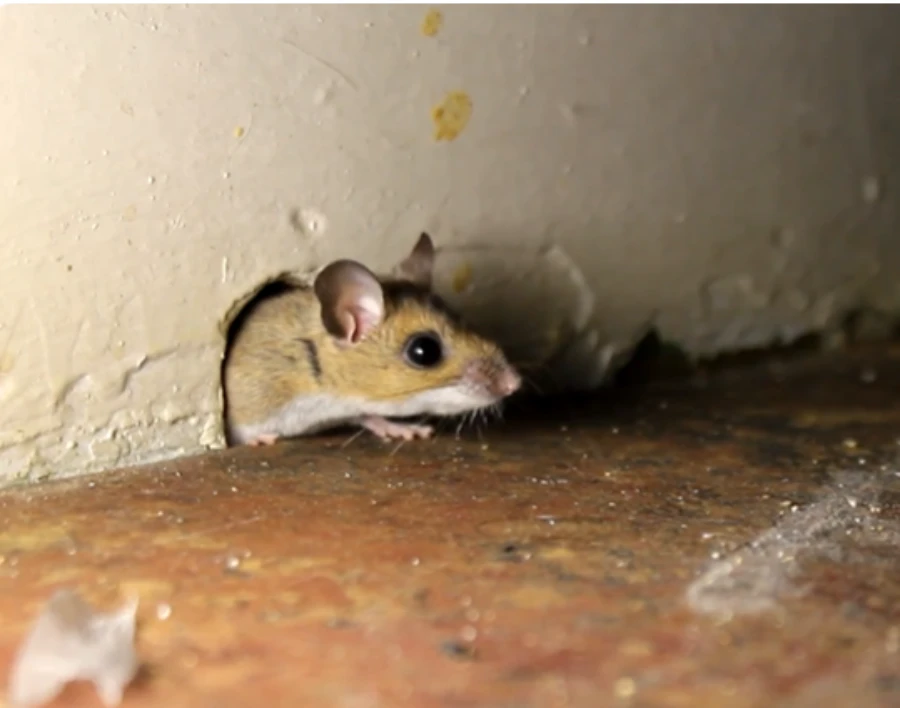
Roof Edges, Soffits and Fascia
Roofline areas can be difficult to inspect from the ground. Damaged screening or gaps around soffits and fascia can create access. For signs of climbing rodent activity around these areas, see our roof rat identification guide.
Roof and Exterior Vents
Vent openings need airflow. They also need suitable screening. A damaged or missing barrier can turn a vent into an entry route.
Foundations and Crawlspaces
Ground-level openings deserve attention after snow and seasonal weather. Check crawlspace vents, foundation gaps, doors, and utility penetrations.
Garages and Door Thresholds
Garage doors can leave gaps at corners and thresholds. Stored food, pet food, seed, boxes, and clutter can also make garages attractive to rodents.
Utility Penetrations
Pipes, cables, and other utilities can create openings where materials meet. These areas are easy to overlook during a basic inspection.
How Small of a Gap Can a Mouse Use?
A mouse can fit through an opening around 1/4 inch wide. That is why a small gap around a vent, pipe, foundation, or roof edge can matter. The size of the opening is only one part of the inspection. Its location and connection to an enclosed space matter too.
Do You Need Rodent Removal, Exclusion, or Both?
It depends on whether active rodents are still inside.
Rodent Removal
Removal focuses on active mice or rats already using the property.
Rodent Exclusion
Exclusion focuses on confirmed entry points.
When Both Are Needed
Some properties need both. For example, active attic mice may need control before or alongside entry-point repairs. The correct sequence depends on the species, activity, access, and approved scope.
If you are dealing with active mice inside an attic, crawlspace, garage, or wall void, see our Mice Control Truckee service for focused mouse removal, trapping, exclusion, cleanup, and follow-up.
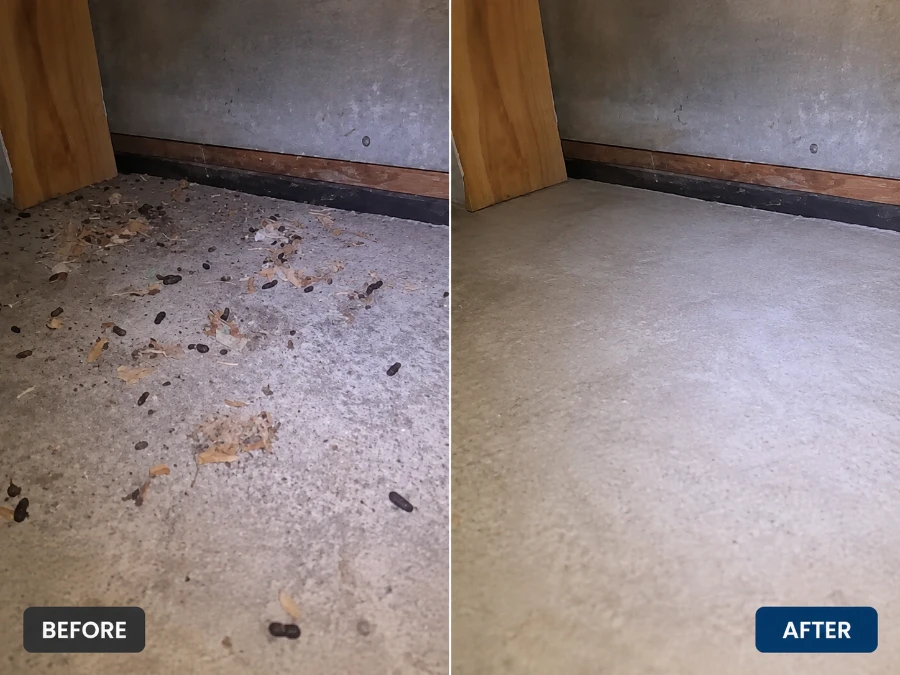
Before and After Rodent Exclusion Work
Rodent work should address the access problem, not only the visible signs. Before and after photos can show the condition found and the result after approved work.
Our 6-Step Rodent Exclusion Process
We start by learning where the activity is happening, then inspect the property, explain the findings, address active rodents, seal confirmed entry points, and review the next steps.
For the complete process from the first call through inspection, exclusion, cleanup, and follow-up, see our rodent control process in Truckee .
Quick Phone Triage
A few details help us prepare before the visit.
- Where you saw signs
- When activity started
- Affected areas
- Property type
- Visible damage
- Pets and access details
- Upcoming guest dates
Property Inspection & Photo Mapping
Accessible areas may be checked for signs, damage, and possible entry points.
- Attics
- Crawlspaces
- Garages
- Vents and foundations
- Utility routes
- Roof edges
Photos may document findings and completed work.
Findings, Scope & Estimate
We explain what we found and what the recommended work involves.
- Materials
- Timing
- Pricing
- Cleanup
- Optional repairs
- Follow-up
Additional work should be approved before it begins.
Active Rodent Control
The method depends on the activity and property conditions.
- Suitable traps
- Monitoring devices
- Secured stations
- One-way methods where appropriate
Entry-Point Sealing
Confirmed openings may be closed with suitable rodent-resistant barriers.
- Hardware cloth
- Metal flashing
- Vent guards
- Door sweeps
- Concrete
- Suitable sealants with durable barriers
Cleanup, Repairs & Follow-Up
Approved work can address accessible waste, nests, odors, damaged screens, thresholds, and other agreed repairs.
- Cleanup
- Minor repairs
- Odor concerns
- Entry-point review
- Follow-up monitoring
Monitoring can help determine whether activity has stopped, continued, or moved.
What Are the Signs Your Truckee Home Needs Exclusion?
Look for:
- Fresh droppings
- Nighttime scratching
- Gnaw marks
- Nesting material
- Damaged insulation
- Strong odors
- Damaged vent screens
- Repeat trapping
- Rodents returning after previous treatment
One sign rarely tells the whole story. Activity can appear far from the actual entry point. Knowing the rodent species can help narrow down likely behavior and entry areas.
Why Do Rodents Enter Truckee Homes in Winter?
Cold weather can drive mice and rats toward shelter, food, and warmer spaces.
After the first freeze, watch garages, attics, crawlspaces, roof edges, vents, foundations, and utility openings. Snow can hide exterior signs.
Winter activity may then become easier to notice through:
- Fresh droppings
- Night sounds
- Odors
- Nesting material
- Damaged food packaging
- Disturbed insulation
Rodent Proofing for Truckee Cabins and Second Homes
Second homes have a special challenge. You may not be there when activity starts. A small opening can remain unnoticed while rodents move through an attic, crawlspace, garage, or wall cavity. For properties along the North Shore, rodent control in Tahoe City can help identify active signs and trace them back to the building’s entry points.
A small opening can remain unnoticed while rodents move through an attic, crawlspace, garage, or wall cavity.
Truckee Rodent Shield can coordinate property access through a lockbox, cleaner, caretaker, property manager, or local contact when available.
What Remote Owners Can Receive
Depending on the approved service, documentation may include:
| Item | Purpose |
| Inspection photos | Show signs and entry points |
| Repair photos | Show completed work |
| Findings | Explain what was discovered |
| Scope | Show approved work |
| Follow-up notes | Track remaining concerns |
This gives remote owners a clearer view of the property.
Rodent Exclusion for Truckee STR and Airbnb Properties
Rodent activity can disrupt guest turnovers. A property manager may need work completed between stays.
Planning can include:
- Guest schedules
- Cleaner access
- Lockbox details
- Parking conditions
- Pet information
- Affected rooms
- Photo updates
- Approved repairs
- Follow-up
This is especially useful for remote owners and managed vacation rentals.
Rodent Proofing Cost Truckee
Rodent proofing cost in Truckee depends on the actual property and approved scope. There is no single price for every exclusion job.
What Affects Rodent Exclusion Pricing?
| Cost Factor | Why It Matters |
| Rodent activity | More activity may require additional control |
| Entry points | More openings increase exclusion work |
| Access | Attics, crawlspaces, roofs, and snow can affect labor |
| Cleanup | Waste, nests, odors, and contamination add scope |
| Repairs | Damaged screens, vents, thresholds, or flashing may need work |
| Materials | Different openings require different barriers |
| Follow-up | Some properties need additional monitoring |
Mouse Exclusion Pricing
Mouse exclusion pricing depends on the number and condition of entry points. A small vent repair is different from work across an attic, crawlspace, roofline, and foundation. Truckee Rodent Shield explains the scope and pricing before approved work begins.
Call (530) 414-7503 to discuss your property
How Do We Reduce Repeat Rodent Entry?
Exclusion is only one part of prevention.
Seal Confirmed Entry Points
Close accessible gaps around:
- Utilities
- Vents
- Foundations
- Crawl doors
- Garage edges
- Soffits
- Fascia
- Rooflines
Reinforce Vulnerable Openings
Use a suitable combination of mesh, flashing, vent guards, door sweeps, concrete, or other barriers.
Reduce Attractants
Secure:
- Food
- Seed
- Pet food
- Rubbish
- Stored items
Also address leaks and clutter where possible.
Monitor High-Risk Areas
Watch attics, crawlspaces, garages, and storage areas for new signs.
Plan Seasonal Follow-Up
Spring and summer can provide better access to exterior areas before winter conditions return.
Rodent Signs We Trace Back to the Source
A single sign rarely tells the whole story. We look at the pattern, location, and surrounding conditions to understand where activity may be coming from.
Scratching and Scurrying Sounds
Record the room, time, and direction.
This can help narrow activity to walls, ceilings, attics, or nearby cavities.
Droppings and Food Contamination
Fresh droppings may indicate an active travel or feeding area.
Do not sweep or vacuum dry rodent waste.
Chewed Wiring and Insulation
Rodents can damage wiring, insulation, food packaging, boxes, and stored items.
Damaged electrical equipment should not be used until checked by a qualified electrician.
Odors From Hidden Rodent Sources
A persistent odor can point to a dead rodent, nest, or contaminated material.
Safe access is important before cleanup begins.
Rodents Returning After Trapping
Repeat activity can point to:
- An open gap
- A nearby nest
- Food attractants
- Poor trap placement
- Another accessible structure
Mice and Rat Species Found Around Truckee Properties
Species identification can help guide inspection and control.
If you are seeing larger droppings, heavier gnaw marks, attic scratching, or suspected roof or Norway rat activity, see our Rat Removal Truckee service for inspection, targeted removal, exclusion, cleanup, and follow-up.
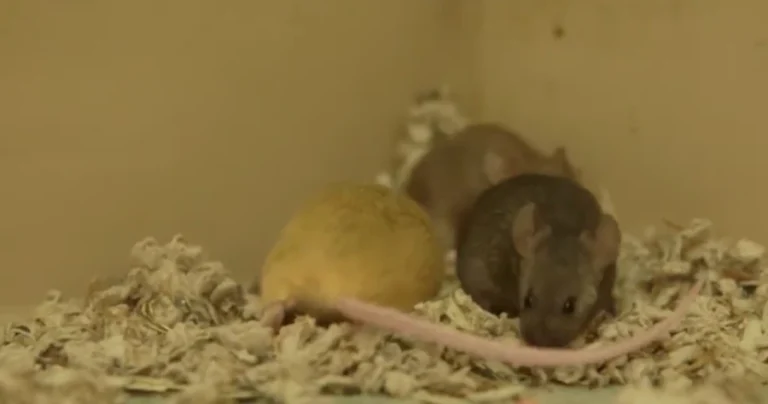
| Rodent | Common Clue | Likely Area |
| Deer mouse | Dark upper body with lighter underside | Cabins, sheds, garages, attics |
| House mouse | Small droppings | Kitchens, walls, storage |
| Roof rat | Strong climbing ability | Roofs, attics, soffits |
| Norway rat | Ground-level activity | Foundations, crawlspaces |
| Wood rat | Stick nests | Decks, sheds, garages |
What Should a Good Exclusion Repair Address?
A useful repair should answer five basic questions:
| Question | Why It Matters |
| Where was the opening? | Shows how entry occurred |
| What signs were present? | Helps assess activity |
| What repair was used? | Explains the work |
| Were nearby areas checked? | Helps find related openings |
| What still needs attention? | Sets clear next steps |
The homeowner should understand what was found and what was approved.
What If You Still See Mice After Exclusion?
Continued activity does not always mean the repair failed.
Possible reasons include:
- Another opening remains
- A new gap developed
- Rodents were still inside
- Another structure is accessible
- Activity was mistaken for new entry
Follow-up monitoring can help determine what changed.
How Can You Keep Mice Out After Exclusion?
Secure food, maintain exterior door seals, watch vent screens, and check for new gaps.
For second homes, inspect the property before long periods of vacancy.
Pay special attention to:
- Attics
- Crawlspaces
- Garages
- Foundations
- Vents
- Roof edges
- Utility openings
Rodent Droppings and Attic Cleanup
- Rodent waste needs careful handling.
- Never sweep or vacuum dry droppings or nesting waste.
- Wet contaminated material with disinfectant before careful removal.
- If rodent contamination is present throughout an attic, insulation or nesting areas may also need assessment. See our Attic Cleanup Truckee service for details on HEPA cleanup, droppings removal, insulation assessment, odor treatment, and cleanup documentation.
- If contamination is extensive or difficult to access, professional cleanup may be safer.
Got Questions?
Not sure what the signs mean? We focus only on mice and rats and explain findings, safety, and pricing before work begins.
Call us (530) 414-7503
Talk With Truckee Rodent Shield
If you are finding droppings, hearing scratching, seeing gnaw marks, or dealing with repeat activity, start with the source.
Truckee Rodent Shield focuses on mice and rats.
We help with inspection, trapping, exclusion, cleanup, minor repairs, and property support.
Same-day or next-day availability may be possible depending on weather, roads, access, and scheduling.
Share the signs, affected area, property type, access details, and timing.